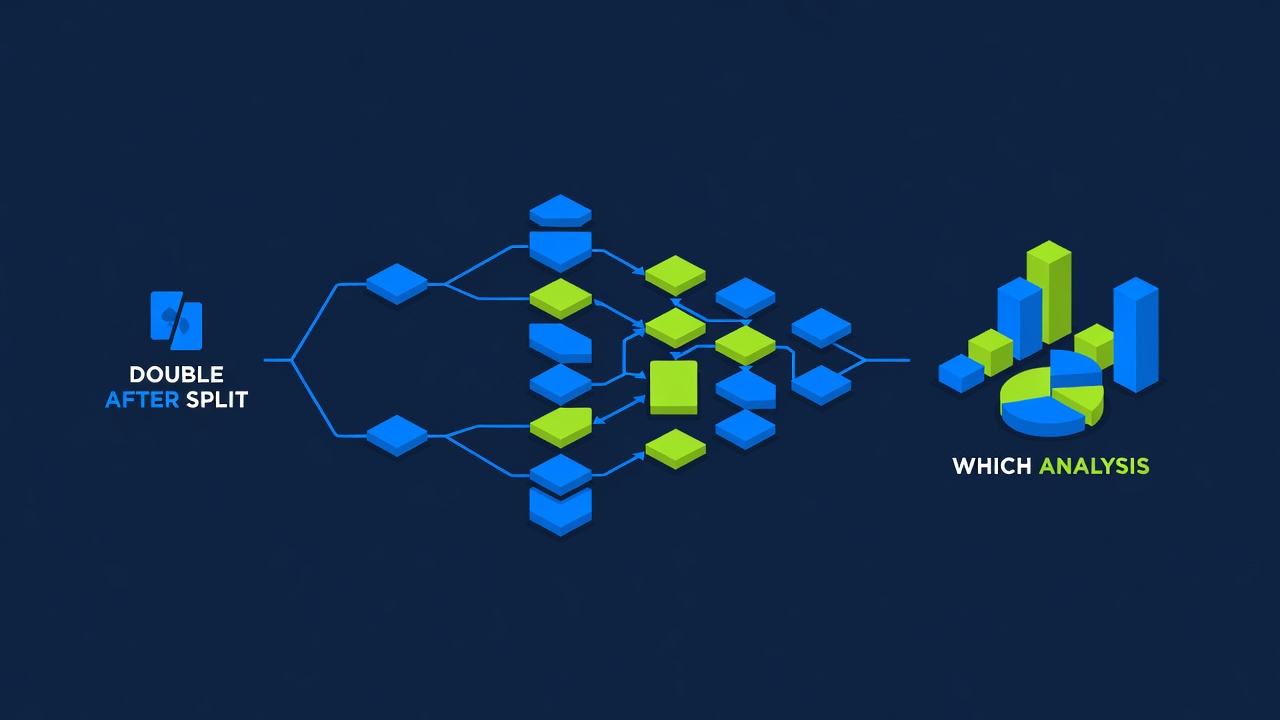
Software providers design blackjack variants within a system of constraints. The first constraint is mathematical: the house must maintain a positive edge. The second is psychological: the game must feel distinctive while remaining recognizably blackjack. The third is technical: the implementation must run reliably across multiple platforms.
Start with the mathematical constraint. Standard Vegas Strip blackjack offers a house edge of 0.5-0.65 percent if you play basic strategy perfectly. This edge comes from the dealer acting last. You can bust and lose before the dealer even acts.
A new blackjack variant must maintain house edge above zero. Most target 0.8-1.5 percent. How do you achieve this? You modify the rules in ways that reduce player equity. Common modifications: restricting doubling (fewer situations where you can double down), restricting splitting (fewer situations where you can split pairs), altering payout ratios (blackjack pays 6:5 instead of 3:2), adding rule variations (dealer hits soft 17 instead of standing).
Each modification has a known mathematical effect. Restricting doubling costs the player approximately 0.15 percent equity. Restricting splitting costs approximately 0.08 percent per type of restriction. Altering the blackjack payout from 3:2 to 6:5 costs the player 1.39 percent. These effects are calculated. They're not accidental.
Second, the psychological constraint. If a variant is too different from standard blackjack, it stops being blackjack. It becomes an entirely different game. Players don't recognize it. They don't learn the strategy. They feel confused.
Successful variants maintain core blackjack mechanics: you try to beat the dealer's hand without going over 21. The decision tree remains recognizable. A player who understands basic strategy can adapt to a variant with modified rules because the decision structure is familiar.
Unsuccessful variants change the fundamental decision tree. If you introduce a rule where your hand value is calculated differently, or where the objective is different, you've created a new game. Players resist. The variant fails.
Specific Design Patterns
Side bets are the most common variant innovation. The core game remains standard blackjack. You add an optional side bet where you can wager on specific outcomes: pairs, specific card combinations, specific totals. The side bet has a higher house edge (2-5 percent typically) while the core game maintains its standard edge.
Payout variations are another pattern. Instead of blackjack paying 3:2, it pays 2:1 under specific circumstances. This feels like you're winning bigger while actually maintaining the house edge.
Rule variations (dealer hits soft 17, penetration changes, late surrender availability) modify the game without changing the decision structure fundamentally. A player learns that in this variant, soft 17 plays differently, and they adjust.
Fast-play variations compress decision time. You see your hand, you hit or stand, the decision resolves instantly. The game moves faster. More rounds per hour means more total wagering per unit of time.
Why Certain Designs Fail
Designs that require learning an entirely new strategy fail. If the decision tree is too different, players don't understand the optimal play. They make intuitive decisions. Those intuitive decisions are suboptimal. They lose money faster. They feel stupid.
Designs with extremely high house edges fail at premium tables. If the variant costs you more than 2 percent in edge, serious players avoid it. They'll play the standard game instead.
Designs that violate the psychological sense of "blackjack" fail. If you modify too much, players perceive it as a slot machine masquerading as blackjack. The perception is damaging.
The Actual Process
A software provider starts with the mathematical constraint. They decide: we want a variant with 1.2 percent house edge. They work backward from that number. What rule modifications achieve that edge? They calculate.
They then design around the psychological constraint. Is the game still recognizably blackjack? Can a player who knows basic strategy understand the new game? They test with focus groups.
Final constraint: can the software engine implement this reliably? Do the decision trees work? Do the payout calculations function correctly? Does the game run smoothly on mobile and desktop? They stress test.
If all three constraints are satisfied, the variant gets released. If any constraint fails, the design returns to the drawing board.