You're looking at your phone at 11pm, and the question isn't whether you'll play blackjack tonight. It's which app you'll open. That matters more than you might think.
When we talk about finding a good mobile blackjack client, we're really talking about three things: the game mechanics themselves, the interface you're using to play, and what the app does to encourage or discourage certain patterns of behavior.
What Makes a Legitimate Blackjack App
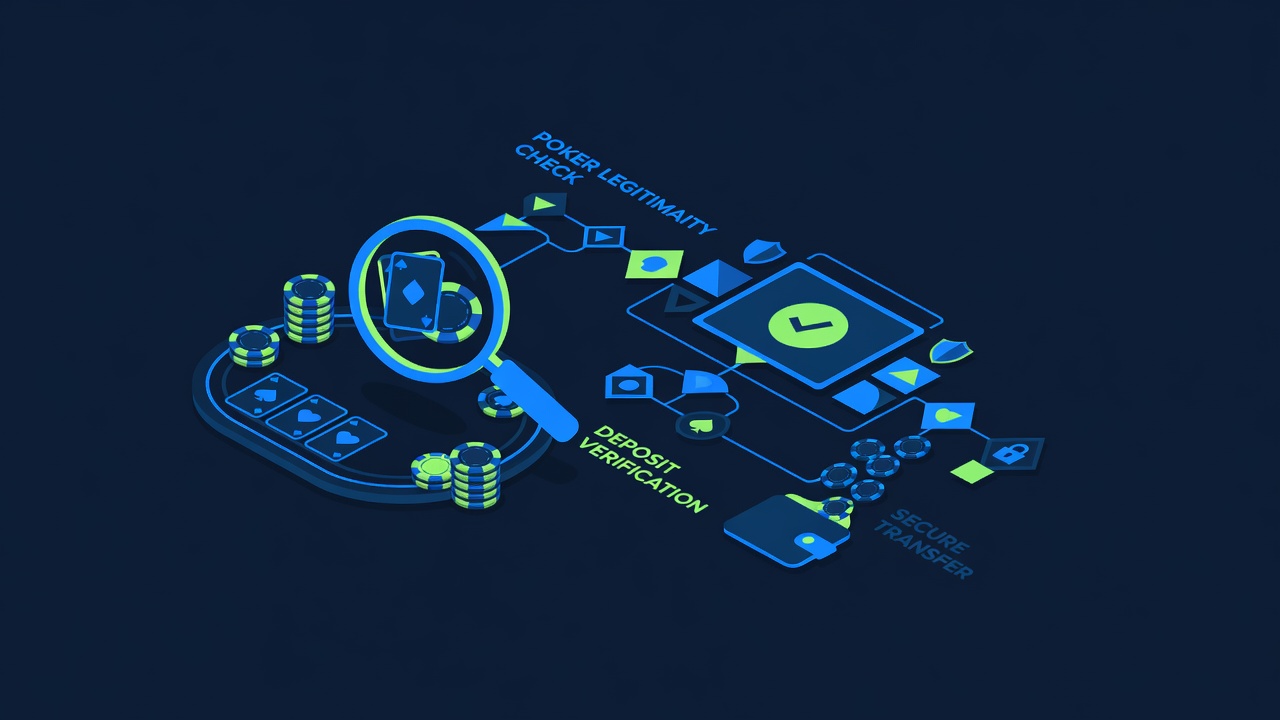
First, the foundation. A real blackjack app has licensing, usually from Malta, Gibraltar, or Curacao. You can verify this. Look for the regulator information at the bottom of the app. If it says "licensed and regulated by the Malta Gaming Authority," you can actually check that. Go to the MGA website. It takes five minutes. Apps without verifiable licensing are not just risky; they're legally operating in a gray zone that benefits no one but the operator.
The RTP (return to player percentage) should be disclosed. Blackjack typically ranges from 99.4% to 99.9% depending on the rule set. Single-deck games sometimes worse. If the app doesn't tell you the RTP, that's a warning. Ask customer service. A legitimate operator answers that question directly.
RTP matters because it's the mathematical consequence of the rules. Single-deck blackjack with a 6:5 blackjack payout has a different edge than eight-deck with 3:2. You should know which you're playing.
Interface Features That Actually Affect Your Play
The UI doesn't just organize information. It shapes how you play. Consider the betting interface. Some apps require you to actively select your bet amount before each hand. Others have a "quick bet" button that repeats your last bet. Which one does your brain prefer? If you're someone who goes into autopilot, the quick-bet feature might work against you. If you're someone who needs friction to slow down, that interface actually helps.
Look at how the app displays your running balance. Good apps show it clearly, updated in real time. Some apps obscure it or make it secondary. That obscuring is intentional. When you see your bankroll decline over the course of a session, that's useful information. An interface that makes that visible is honest.
Notification design matters more than most people admit. Does the app send you push notifications? At what times? Promotional notifications at 2am are designed to catch you when your decision-making is worst. An app that doesn't spam you is an app that respects your autonomy.
The Limits Question
Many good apps let you set deposit and loss limits. Some let you set session time limits. The apps that make this easy, that ask you about limits when you sign up, are treating you like an adult. Apps that bury this feature in a submenu are making a design choice to discourage using it.
Wager limits are different from deposit limits. Deposit limits cap how much money you put in during a period. Wager limits cap how much total money you're moving through the game. Both matter, but they measure different things.
Self-exclusion is another layer. The best apps integrate with GameCare or a similar service that blocks you from play across multiple operators if you need it to. That's harder to build, and operators that do it are signaling that they take responsibility seriously.
Speed and Stability
A blackjack app should be boring to use technically. Fast load times. No crashes mid-hand. Cards that appear clearly. Animations that are quick or skippable. If you're choosing between two apps, test them for an hour in free-play mode. See if you hit any bugs.
Mobile blackjack lives at the intersection of your device and the operator's server. Poor connection handling shows itself quickly. The app should save your state if your connection drops. You should never lose money because of a network glitch.
What You're Actually Choosing
When you select an app, you're not choosing the game, really. Blackjack is blackjack. You're choosing the operator's philosophy. Some operators see you as a customer to retain through good experience. Others see you as revenue to extract. The app design tells you which one you're dealing with. The question is whether you're paying attention to what it's saying.
Your choice of app is a small declaration about what you respect in how you spend your time.