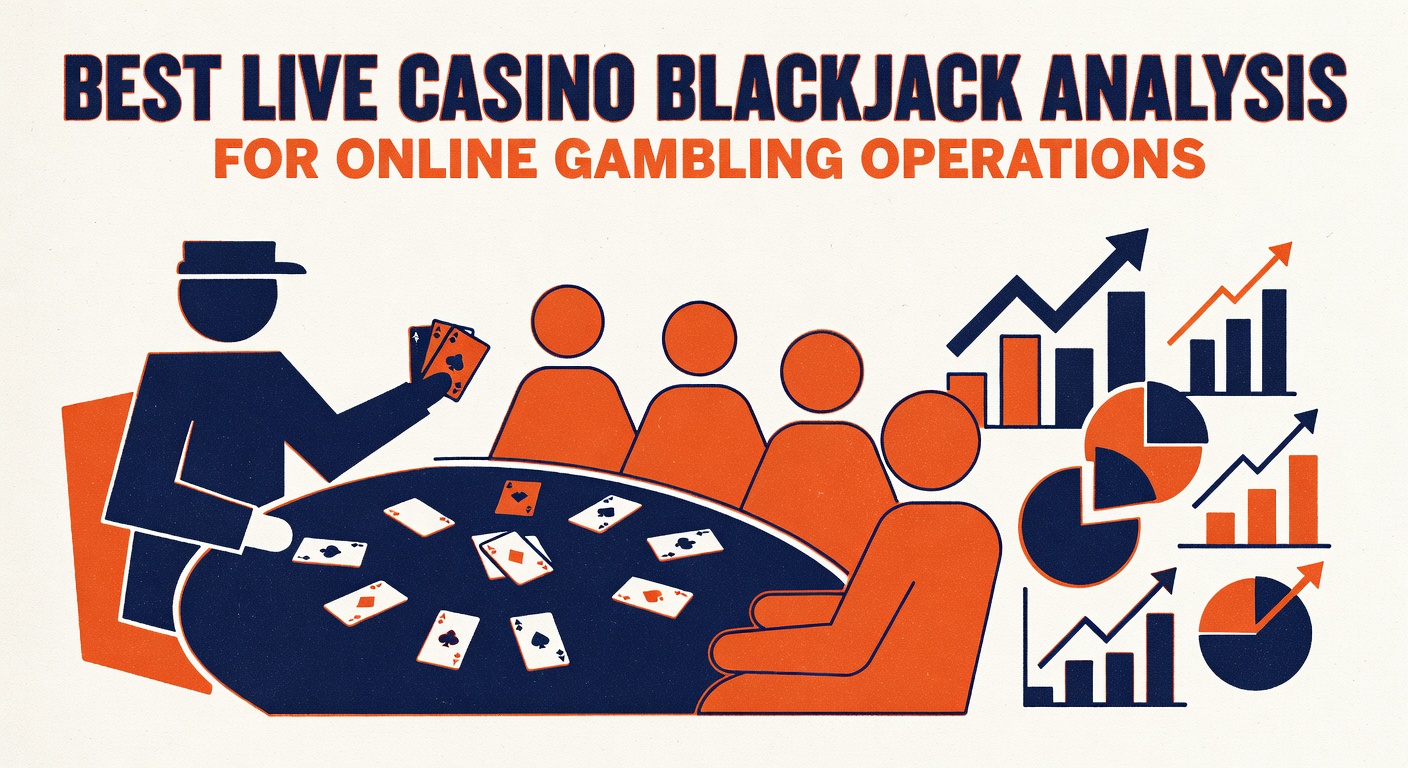
Live blackjack draws a particular kind of player. The game offers something that machine games cannot: genuine human interaction paired with rules-based structure. For someone who enjoys gambling as a bounded activity, live blackjack provides psychological scaffolding.
Before we talk about variants, understand what you're doing when you play blackjack. You're making a series of binary decisions: hit or stand. The game has low variance relative to slots. Your advantage or disadvantage depends primarily on correct decision-making. This is appealing to people who want an activity they can competently execute.
Standard Live Blackjack
This is the baseline. You play against a live dealer. Rules follow Vegas Strip conventions: dealer stands on 17, you can double down on any two cards, splitting is allowed. The house edge is between 0.5 and 0.8 percent if you play basic strategy correctly.
Basic strategy is learnable. It means: double down on 11 against dealer 2-10, stand on 17 or higher, hit on 16 or lower if dealer is showing 7-ace. If you memorize this pattern and follow it consistently, the house edge approaches 0.5 percent.
The psychological appeal is that you have agency. You make decisions. The outcome feels partially determined by your choices rather than pure chance. This perception is genuine. Your decisions do matter. The house keeps an edge, but smaller than in slots.
Power Blackjack and Side Bets
Power Blackjack allows optional side bets. The common variant is a bet on whether your first two cards form a pair. A pair pays even money. Three of a kind pays 30 to 1. This side bet has a house edge around 2.5 percent.
The psychological mechanism is straightforward. The side bet creates the possibility of a big win. Every hand where your cards form a pair generates a win. Most hands generate nothing, but the possibility is present on every hand.
Side bets are expected-value negative. Playing them regularly guarantees losses beyond the baseline house edge. But many people find the possibility of occasional wins worth the cost. This is a rational choice if the entertainment value is worth the money cost.
Lucky Ladies
In Lucky Ladies, your first two cards receive bonus evaluation. A pair of queens of hearts pays 1000 to 1. A pair of queens of any other suit pays 200 to 1. Most hands qualify for smaller payouts or nothing. The house edge is approximately 2.7 percent.
The variance is notably higher than standard blackjack. You play many hands that generate no bonus. Then, occasionally, you hit a pair and win substantially. The behavioral appeal is clear: the possibility of a large win drives engagement.
Lucky Ladies attracts players who enjoy the sensation of possibility. The trade-off is a higher house edge and higher volatility. Your bankroll will fluctuate more. You will lose money faster on average. Whether that cost is worth the engagement is a personal decision.
The Honest Assessment
If you want the most favorable odds in live blackjack, play standard rules with no side bets, learn basic strategy, and execute it consistently. The house edge is minimal. Your variance is low. Your skill matters.
If you want more excitement, side bets and variant rules exist. The price is explicitly higher house edge and higher variance. You are purchasing entertainment, not making a financially sound decision.
Many people understand this intellectually but don't adjust their behavior. They see the Lucky Ladies payout table and feel the pull regardless. That's normal. The question is whether you can afford the cost of indulging it consistently. Some people can. Others cannot.