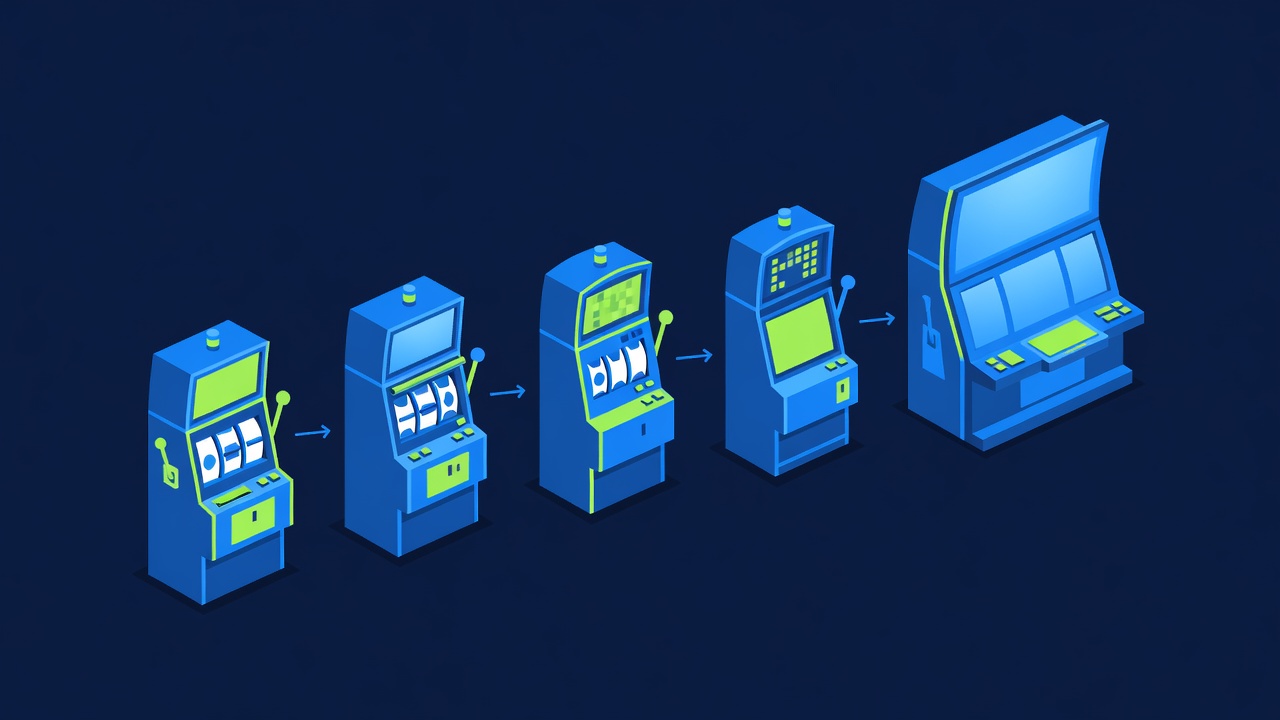
3D slots appeared around 2010. Before that, slots were 2D graphics on a screen that looked acceptable. After 2010, they started looking like video games.
By 2015, cinematic slots were industry standard. Games with movie-quality graphics, complex animations, multipart bonus sequences that played out like cutscenes. NetEnt led this with games like Gonzo's Quest. Other providers followed.
The shift was not accidental. It was a market response to a specific problem: players were getting bored.
Why the Shift Happened
Slots have always been a mathematical formula wrapped in theme. The theme is the packaging. For decades, the packaging was adequate: spinning reels, some colors, occasional lights.
By 2000, players had seen ten thousand slot themes. Cowboys, Egypt, fruit machines, Asian temples. The themes blurred together. Players still played, but novelty was eroding.
Slot manufacturers needed a way to re-engage players. They couldn't change the math without reducing house edge. Regulators wouldn't allow that. So they improved the presentation.
3D graphics, animations, bonus rounds that felt like interactive content, ways to feel engaged with the game beyond just spinning and waiting. This was the solution.
How It Works
A cinematic slot game is built with high-quality 3D assets. The bonus round isn't just a screen showing a number. It's an animated sequence where something happens. You're shooting zombies, or picking treasure chests, or watching a character do something.
That sequence doesn't change the payout probability. The math is predetermined. But it changes how it feels. The experience is richer.
NetEnt's Gonzo's Quest is the textbook example. Gonzo's quest isn't different mathematically from thousands of other slot games. The RTP is 96%. The volatility is standard. But the presentation makes it feel like you're playing a real game with consequences, not a math formula with pretty graphics.
The Engagement Problem
Cinematic slots are demonstrably more engaging. Players stay longer. They report enjoying the experience more. The engagement translates to more money wagered.
This isn't a secret in the industry. It's stated explicitly: better graphics drive higher player retention and higher total wagers.
So cinematic slots are not about fairness or transparency. They're about creating an experience that makes losing feel acceptable because the experience itself is valuable.
The Game Design Angle
From a systems perspective, cinematic slots are interesting. They're applying game-design principles to gambling. Progress systems, narrative arcs, visual feedback for actions, reward schedules.
A player feels like they're advancing because the bonus sequence plays out as a progression. They're told they've accomplished something because the game shows them a cinematic reward.
This is dopamine work. The game is engineered to trigger reward responses through sequences of events, not just through winning money.
The Regulation Gap
Regulators struggled with cinematic slots. Are the games fair if they're this engaging? Are players making informed decisions if they're so absorbed in the experience?
Most jurisdictions concluded that as long as the RTP is disclosed and the game is not rigged, the visual presentation is irrelevant. The engagement is just better design, not fraud.
But there's a gap between fair and harmless. A game can be mathematically fair and still exploit psychological vulnerabilities through presentation.
The Current State
3D and cinematic slots are now standard. Even low-end providers use decent graphics. The differentiation has shifted to animation quality, bonus complexity, and narrative depth.
New games are increasingly story-driven. They're not just about spinning and winning. They're about progressing through a narrative that happens to be funded by your wagers.
This is the modern slot. It's not mechanically different from a 1980s machine. It's the same math in different packaging. But the packaging matters more than most players realize.