She had the Bitcoin address in her wallet before the decision was made. The currency was abstract. Five grand in fiat feels like money. Five grand in Bitcoin feels like an amount. A number on a screen. The psychological distance between the two is real.
She deposited the Bitcoin into the casino. The confirmation took thirty minutes. She watched the blockchain. Her transaction was real, recorded permanently, verifiable by any node on the network. It felt more consequential than a credit card swipe. Credit cards are truths told by banks. Blockchain is truth embedded in mathematics.
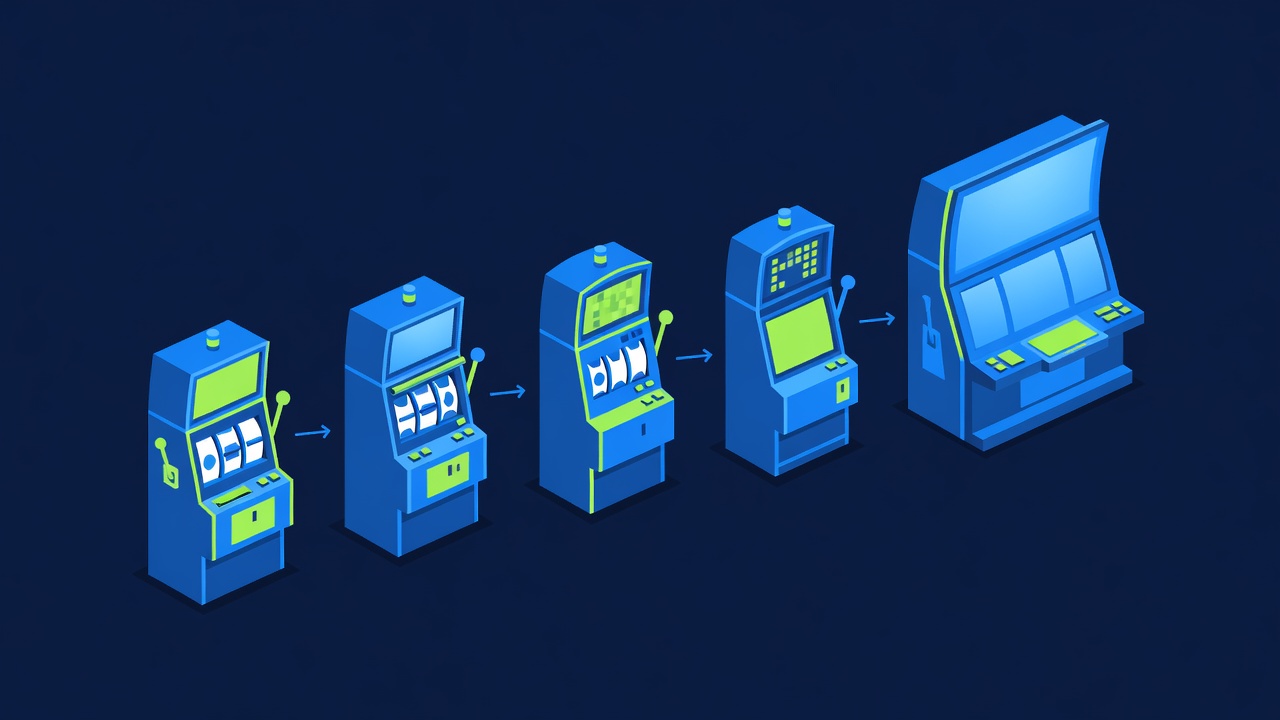
The casino offered her slots. She'd played slots before at traditional casinos. The interface was identical: spin the reels, wait for the result, receive payout or lose the bet. The only difference was the currency. Bitcoin instead of dollars.
She started with small bets. One hundred satoshi per spin. That's a fraction of a Bitcoin, approximately four cents. The stakes felt simultaneously smaller and larger than cent-slot machines in Las Vegas. Smaller because the absolute amount was trivial. Larger because she understood the exchange rate. One hundred satoshi. Four cents. But she owned the Bitcoin. She had decided to convert dollars into this specific currency and play with it. The decision felt more deliberate.
After ten spins, she'd hit a bonus feature. The payout was significant: fifty-five hundred satoshi. About two dollars. She laughed. The payout felt good. She'd wagered one thousand satoshi total, received fifty-five hundred back. She was ahead.
The Bet-Sizing Shift
Then the bet sizing changed. Now ahead, she increased the bet. Two hundred satoshi. The spins came and went. A win, then a loss, then another loss. She was down to four thousand satoshi. Her brief advantage had evaporated.
She increased the bet again. Four hundred satoshi. This is when the slot machine mathematics take over. Bet bigger, lose faster. Expected loss per spin is bet times house edge. Double the bet and you double the expected loss per spin. She understood this intellectually. She was still doing it anyway.
"Cryptocurrency gambling feels different because the currency feels different. But the house edge is identical. Bitcoin or dollars, the math doesn't care."
The session lasted forty-five minutes. At the end, she had approximately three thousand satoshi remaining. She'd converted five thousand dollars to Bitcoin. She'd lost about two hundred dollars in that session. The loss was quantifiable, permanent, and on the blockchain forever.
What struck her was the lack of friction. In traditional casinos, you have to get cash. Go to the cage, convert chips, physical exchange. The friction makes you consciously aware of each transaction. Blockchain transactions are instant. The friction is psychological, not procedural.
She didn't return to that casino. She didn't lose her Bitcoin. She kept the remainder. But the experience revealed something: cryptocurrency gambling isn't different because of the math. It's different because the psychology changes. A currency you acquired deliberately and hold in a wallet feels like "your" money in a way that casino chips never do. Playing with it feels like spending something real.
Fiat gambling creates distance through procedures (cashing out at the cage, receiving chips, converting chips back). Crypto gambling removes that distance. The result is more immediate personal ownership of both the money and the losses. Some players find this clarity helpful. Others find it brutal.