Signs of Burnout
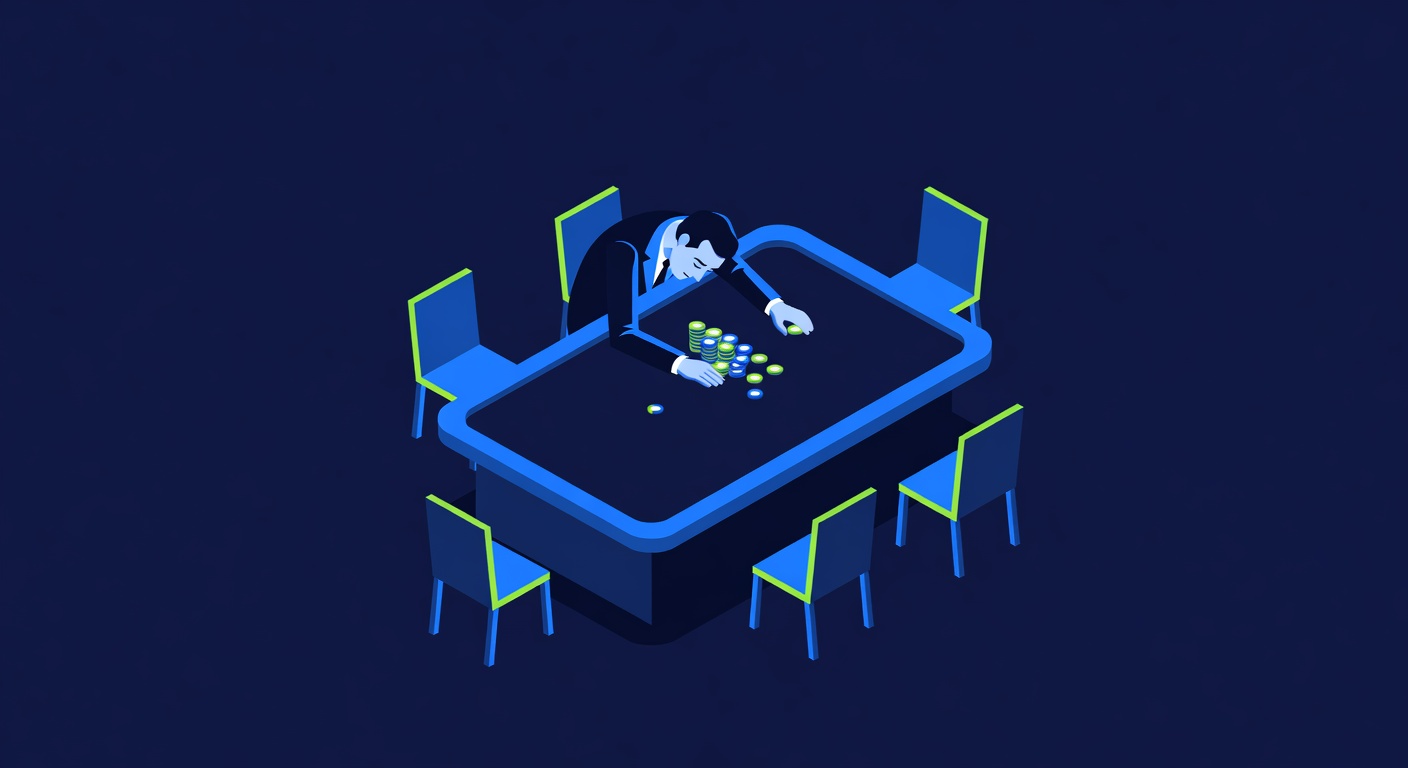
First, mechanical decision-making. You stop thinking about hands. You make moves on autopilot. In poker, you fold weak hands without evaluating the table conditions. You call hands you should fold. You do not adjust. A good opponent notices this immediately and exploits it.
Second, emotional volatility. You win a hand and feel disproportionately happy. You lose a hand and feel disproportionately angry. Your mood swings widen. You are no longer emotionally stable.
Third, physical decline. You stop noticing tells. Your opponent is shifting in their seat when nervous, and you do not register it. Your eyes are tired. You are squinting. You cannot read the table dynamics.
Fourth, risky decisions. You make plays you would normally reject. You go all-in on marginal hands. You chase losses aggressively. You are trying to force results instead of waiting for good spots.
Fifth, session decay. You play well for the first hour. By hour three, your decision quality drops noticeably. Your win rate declines as the session continues. This is a classic sign of burnout.
Why It Happens
Gambling is cognitively demanding. Poker requires constant attention. Blackjack requires probability calculation. Sports betting requires information synthesis. Your brain is working. After several hours, the brain fatigues.
Burnout accelerates when you play with emotional investment. You care about the results. You are stressed. Stress consumes mental energy. Your cognitive resources decline faster.
Losing accelerates burnout. A losing session depletes your mental resources and your bankroll simultaneously. You become desperate to recover losses. Desperation clouds judgment.
Performance Metrics
If you track your play, you can identify burnout objectively. Compare your hourly earn rate across sessions. If you earn 25 dollars per hour in hours one and two, and 5 dollars per hour in hours three and four, you are experiencing burnout.
Compare your mistake frequency. Count errors (plays you would not make with fresh eyes). If your error count doubles in the final hours, burnout is occurring.
Compare your wins against bad opponents to your wins against good opponents. If you stop beating weak players in later hours, fatigue is affecting your edge.
What To Do
The solution is simple: stop. Leave the table when you feel tired. Do not play through burnout. You will lose money.
Specific triggers to watch for: three-hour mark (most people experience cognitive decline after three hours), significant loss (if you lose your daily target amount, stop), or the first mistake-heavy hand (if you make a clear error, take a break immediately).
Breaks help. Step away. Get water. Reset your emotional state. Come back when you feel sharp. But if the fatigue is severe, do not come back today. Play tomorrow.
The Paradox
Good gamblers often refuse to quit even when burned out. They think walking away is quitting. They think they should grind through fatigue. This is wrong. Grinding through fatigue is how you lose money.
The best session is often a short session. You come in, you play well for two hours, you win money, you leave. You feel sharp. You end on a high. You are ready to play again.
A long session where you burn out is almost guaranteed to end in a loss, even if you started well. Hour three and four profits do not exist if you are tired. You are just fighting uphill.
Exception
Long-session professionals understand this. They specifically train to resist burnout. They use mental techniques. They have high pain tolerance. But even professionals have limits. Even they stop when their edge disappears.
For recreational players, the answer is clear: play short sessions. Three hours maximum. Stop if you lose your daily budget. Stop if you make a clear mistake. Your future self will thank you because you kept your edge intact instead of grinding it away.