Plinko exists as a physical casino machine. Balls drop down a board, bounce through pegs, and land in bins. The outcome depends on gravitational chaos. You cannot predict where a ball lands because you cannot measure initial conditions precisely enough. The randomness is genuine.
Blockchain Plinko uses a pseudo-random number generator. The outcome is mathematically deterministic given the seed. The marketing claim is that the seed comes from blockchain data, making the randomness verifiable.
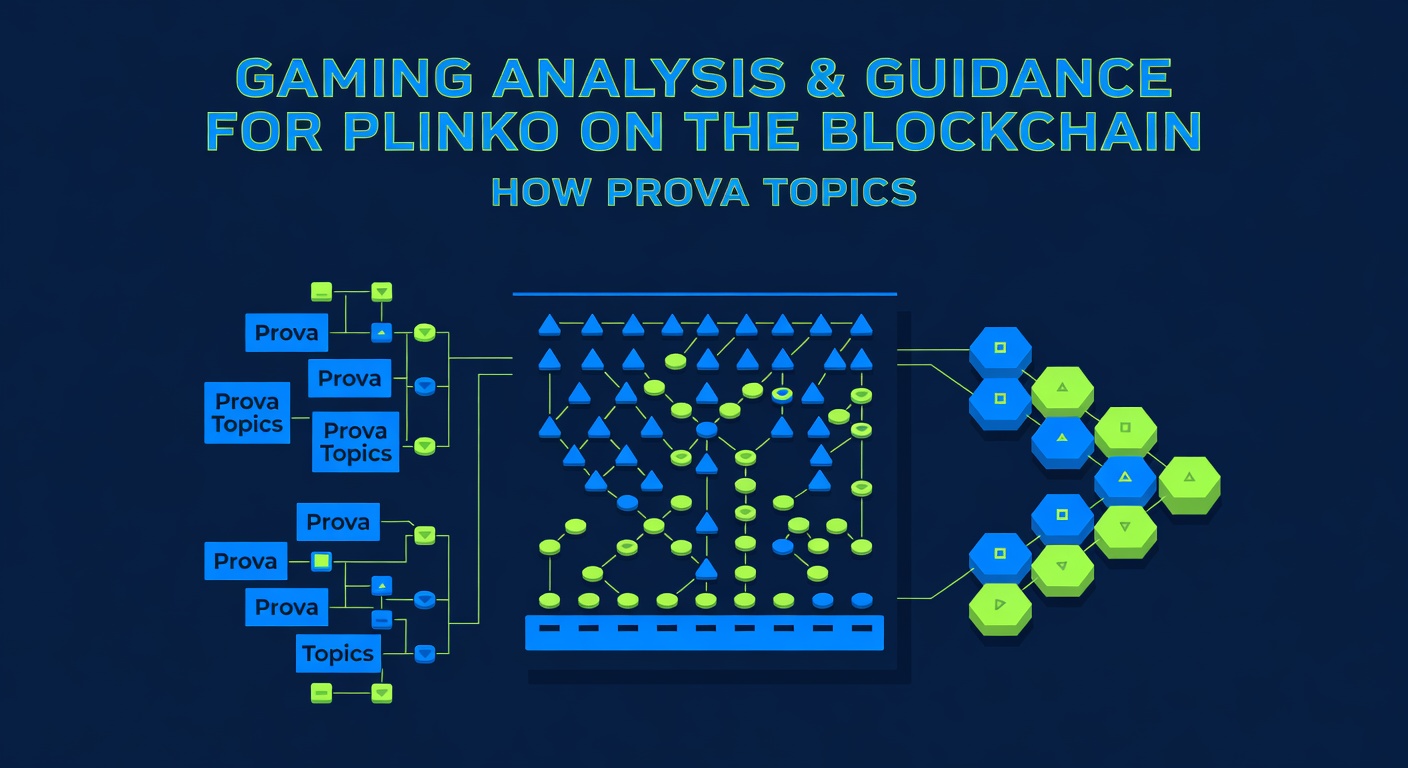
Here's how it actually works. You place a bet. The system notes the current block number or block hash on the blockchain. After your bet settles, the blockchain produces a new block. That block's hash becomes the seed for the random number generator. The outcome is run through the algorithm and you see the result.
The Technical Claim
The blockchain Plinko marketing says: you can verify the randomness. This is true. You can take the block hash, run it through the same algorithm, and confirm that the outcome was determined by that hash and no other factor.
What this means: if the casino shows you outcome A, you can verify that outcome A was the correct output given the blockchain hash. The casino cannot show you outcome B and claim it came from that same hash.
What this does not mean: the casino's algorithm is actually random. They could seed with blockchain hash data but modify the output before displaying it. You don't have access to their source code. You trust that whoever audited the code did the work properly and didn't miss a secret modification routine.
The honest claim is: blockchain Plinko allows third-party verification of consistency. It does not verify fairness. It verifies that outputs match what the algorithm supposedly produces.
The Practical Reality
The house edge on blockchain Plinko is typically 4-8 percent depending on payout structure. This is substantially higher than most machine slots. The provably fair marketing is a substitute for the game not being a good mathematical proposition.
A physical Plinko machine is genuinely random at the moment of play. The blockchain Plinko is deterministic but unforeseeable to you in advance. For the player, the practical difference is zero. Both games have a house edge. Both games will produce losses if played long enough.
The advantage of blockchain-based games is that they're harder for the operator to cheat. But you're still playing a game with a built-in negative expected value. Provably fair changes the nature of what you're trusting, not whether you should trust it with your money.
What Matters
The technical possibility of verification is less useful than it sounds. The existence of transparency does not equal the exercise of transparency. You could verify the blockchain seed and the algorithm output. Most players do not. Most players see the provably fair label and assume it means the game is fair in the sense of offering reasonable odds. It does not.
If you want to play Plinko, understand that you're accepting a 4-8 percent disadvantage against the house. Whether it's on blockchain or physical hardware is a separate matter. The mathematical reality is unchanged.