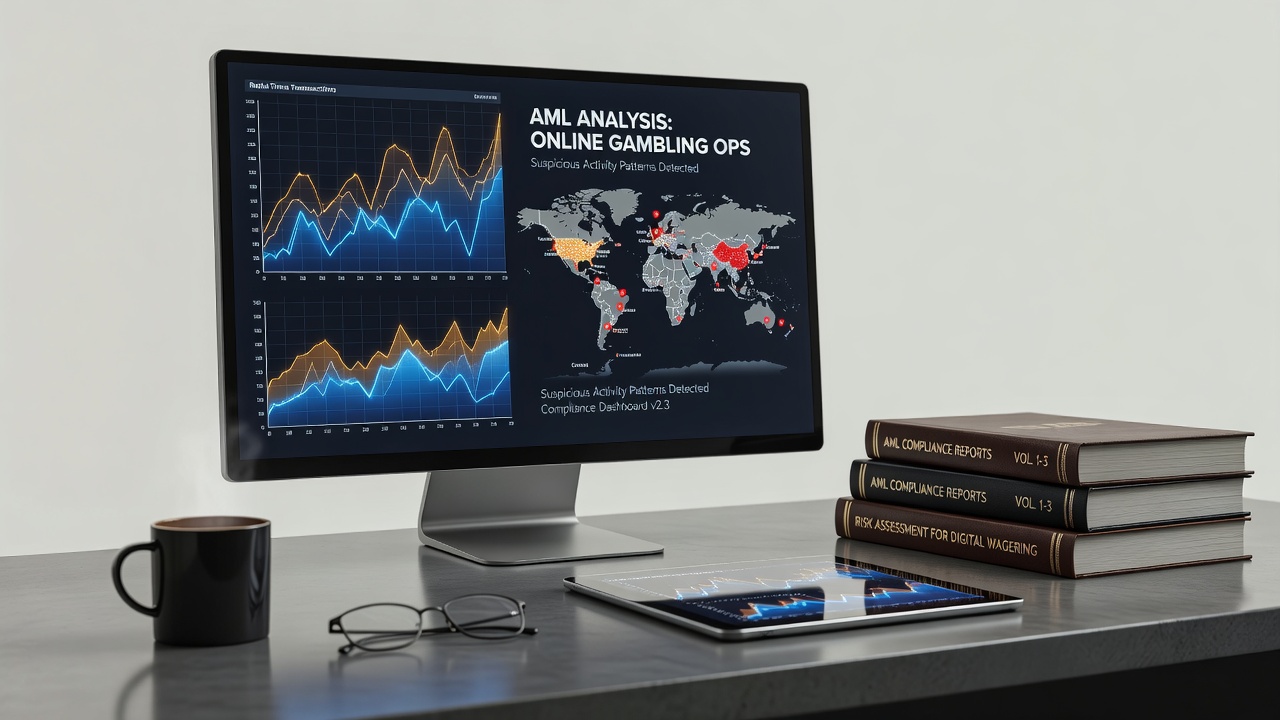
How Anti-Money Laundering Rules Shape Casino Payments
Anti-money laundering rules look like bureaucracy. They are the scaffolding that keeps casinos from becoming tools of organized crime.
Jul 22, 2026
The laws, licences, and regulators that decide who can offer what, where, and on what terms. We cover the major jurisdictions, the policy debates, and the enforcement actions that move the industry.
Anti-money laundering rules look like bureaucracy. They are the scaffolding that keeps casinos from becoming tools of organized crime.
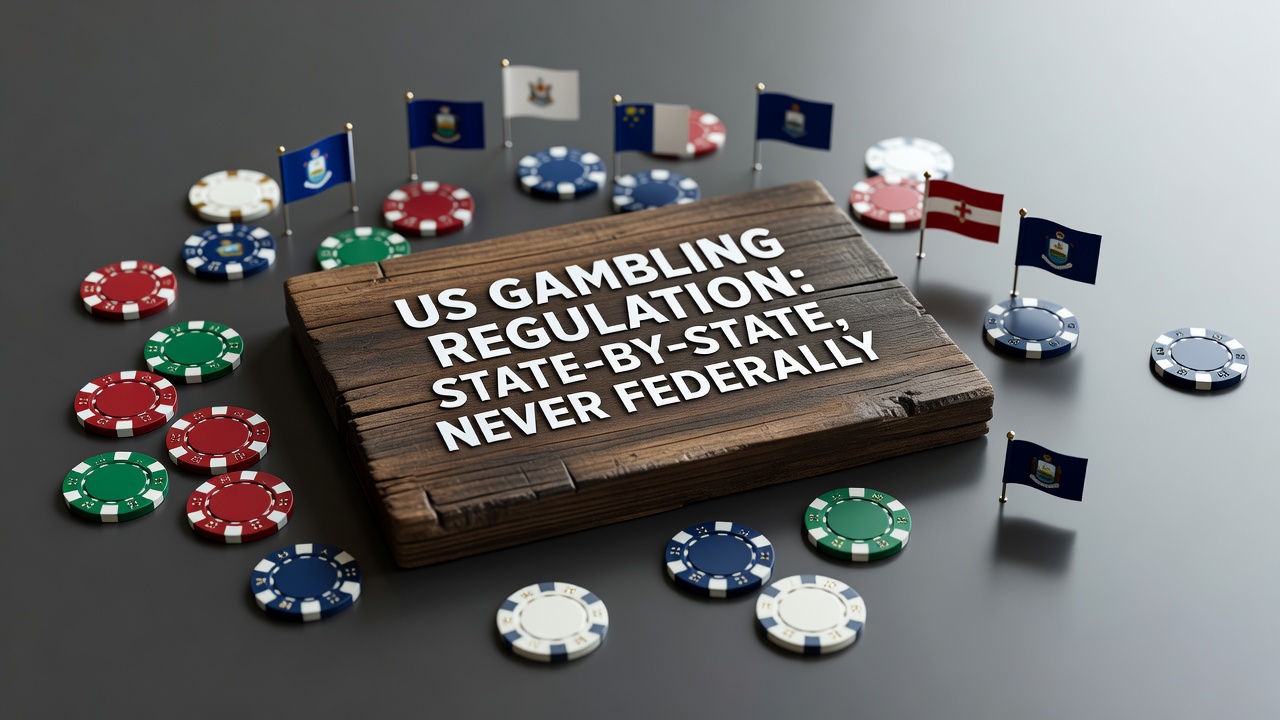
Online gambling regulation in the United States is not national. It is state-by-state, with different rules for different games. Understanding the structure helps explain why access varies.
Nevada has required casinos to publish their average payout percentages since 1965. The reports are public data showing what the house edge actually is. Other jurisdictions followed.
The hardest thing to write about casinos is the casinos that are fake. They take your money. They disappear. The place to stop them is at the beginning, before you deposit a single dollar.

The use of cryptocurrency as a payment method for gaming operations is subject to specific jurisdictional requirements. Bitcoin deposits at licensed operators follow KYC protocols identical to fiat-currency deposits.
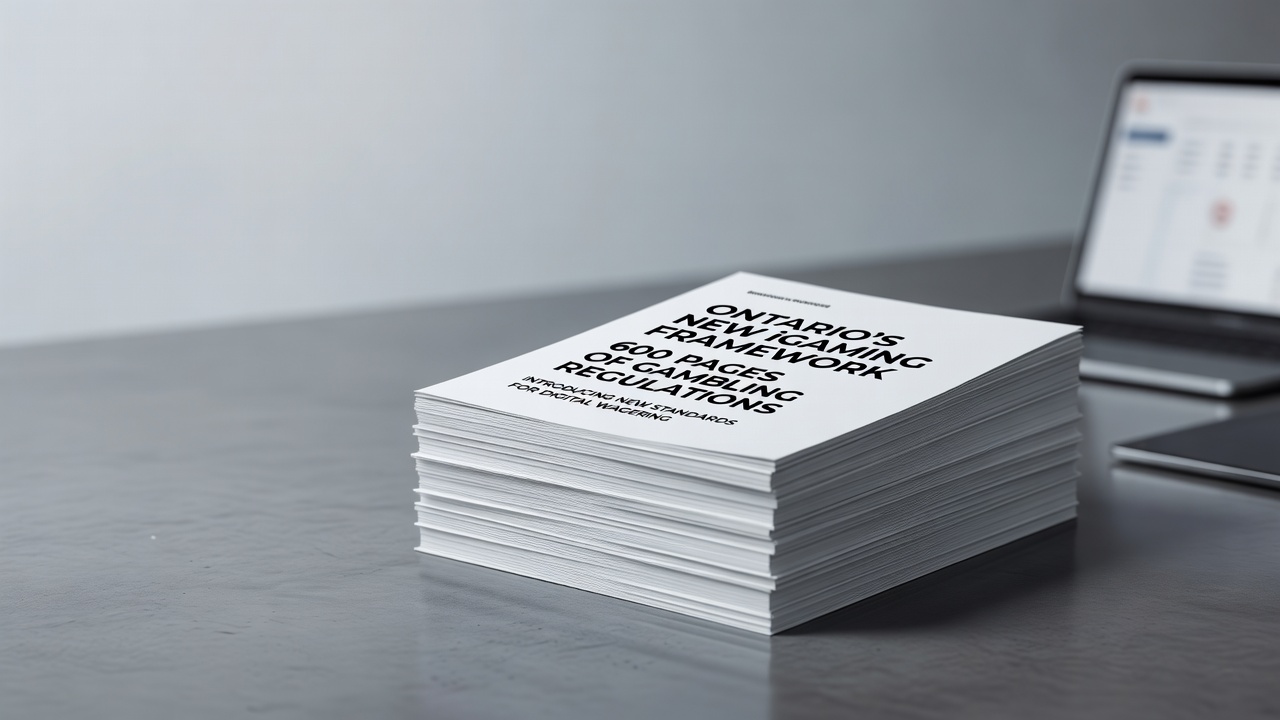
Ontario opened legal online gambling in 2022. The regulators wrote 600 pages of rules explaining how to take money from people responsibly.