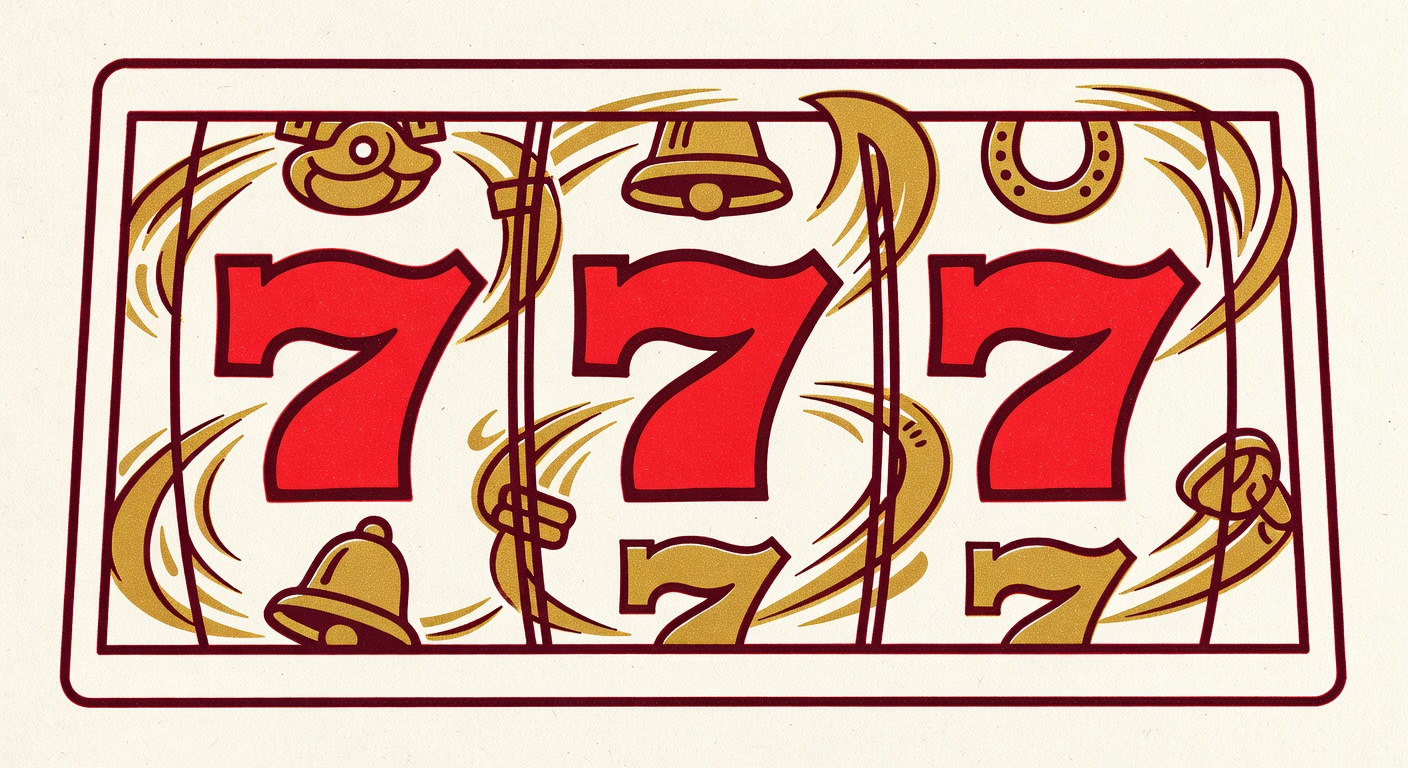
Every online casino has demo mode. Every legitimate software provider allows it. You can play Starburst, Gates of Olympus, whatever, without risking money.
Almost nobody uses it.
I've spent enough time around degenerates (I'm one of them) to know why. You sit down at the slot, see demo mode available, and think: "I know slots. House edge is 2-5 percent. Why waste time clicking for free when I could be playing?"
That's the error. That's always the error.
The Volatility Angle
Slots have variance. RTP (return to player) is the theoretical number. The actual swings are all over the place. A 96 percent RTP slot can pay nothing for fifty spins. Then hit for 200x. Then nothing for a hundred more.
Demo mode shows you the volatility. You can sit with a 5-dollar bankroll (play money) and see whether this particular machine goes long stretches without paying or whether it hits constantly.
Some people see that volatility in demo and decide the machine is too sharp. They pick something else. Some see it and decide they love it. Either way, they've made a choice based on data, not hope.
When you skip demo and jump straight to real money, you're flying blind. The first five minutes might be the worst downswing in the cycle. You lose 100 dollars. You panic. You double down trying to recover. You lose 400 more.
If you'd played demo first, you'd have seen that this machine had stretches of twenty spins without a hit. You'd have sized your bet accordingly.
The Game Mechanic Angle
Different slots have different rules. Some have Megaways (variable paylines). Some have cascades (symbols fall down like Tetris). Some have single paylines. Some have twenty thousand paylines.
You might think you understand how a slot works until you actually play one. A cascade slot doesn't look like a cascade until you see a winning symbol disappear and new ones drop in from the top.
If you don't understand how the mechanic works, you can't properly judge whether a payout is good or if the volatility is tolerable.
I played a Book of Ra clone once for real money, didn't know it had a free spins feature I couldn't retrigger. Got a free spins round, played through it, expected to get another free spins round (that's how the old version worked). Nope. Feature ended. I'd misunderstood the rules. Cost me a bet I would have sized differently if I'd known.
Demo mode would have prevented that.
The Psychological Angle
Free play changes your mindset. You're not afraid to lose because there's nothing to lose. You'll play bolder. You'll hit max bet. You'll run through a whole session.
That boldness reveals things. If you max bet a 5-dollar slot for a hundred spins and bust the demo account, that tells you: this machine will finish your money fast if you can't control yourself.
Playing real money, your fear takes over. You play smaller. You chicken out of bets. You miss the actual volatility signature of the machine.
Demo mode is the honest version. You see the true variance unfiltered by your bankroll anxiety.
The Time Angle
A good demo session is twenty minutes. Maybe thirty. You'll have seen enough spins to understand the machine's rhythm.
Twenty minutes of lost money at real stakes is eighty to two hundred dollars gone, depending on your bet size. Twenty minutes of demo is free.
I don't understand the trade-off. Except that I do. People want to feel like they're gambling, not studying. Demo feels like work. Real money feels like action.
But gambling IS work. It's work against the house. Demo mode is practicing the work. Real money is performing the work without warm-ups. That's how you lose.
The Filter
Demo mode lets you filter machines. You can play twenty different slots for thirty minutes each without losing a dime. You identify which ones fit your volatility preference, which ones have mechanics you actually understand, which ones look good to your eye.
Then you play real money on the three machines you've vetted.
Almost everybody skips this. Almost everybody plays a slot they've never seen before with real money and hopes it clicks.
It usually doesn't. Or it does but the variance destroys them first.
The Caveat
Demo mode isn't perfect. The RNG (random number generator) might be the same as real play, or it might be softer. Most casinos use the same RNG for demo and real play (otherwise it defeats the purpose, and regulators would shut that down). But I can't guarantee it everywhere.
Where demo mode definitely differs from real play is psychology. In demo, you don't have the fear. You don't have the desperation. You don't have the pressure of real money.
So even if the RNG is identical, your play is different. That's fine. That's the point. See how the machine actually performs when you're not running scared.
My Rule
Demoed machines only. If a casino offers it and you want to play, you run it in demo until you've seen it break its own bank. Then you know it's real. Then you size your real money bet accordingly.
Skipping demo is ego. You're saying you don't need to study. You just need to play. That works for Texas Hold'em poker where you've played three million hands and you can read a table.
On a slot you've never seen? You're not a pro. You're just a guy with money in his hand and hope in his heart.
Demo first. Real money second. This is not complicated.