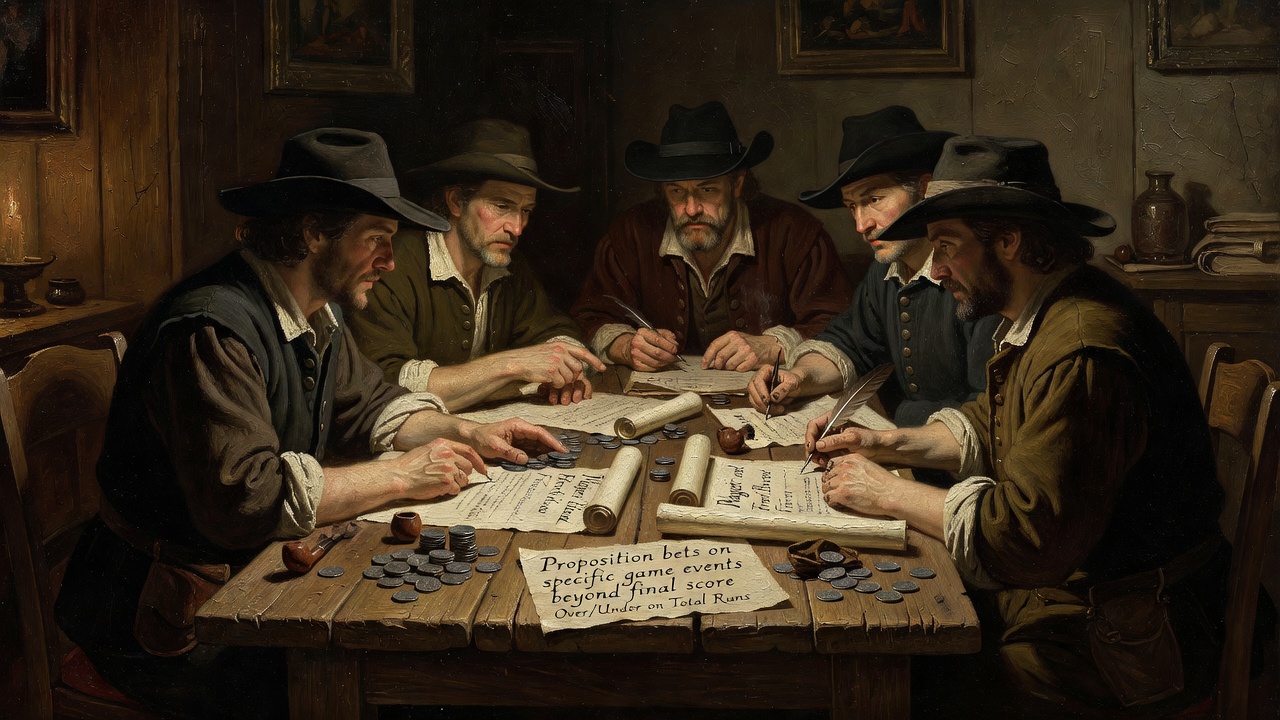
Prop bets are side wagers on specific events within a game. Instead of picking the winner, you might bet on whether a receiver catches eight passes, whether a basketball player scores over seventeen points, or whether a home run is hit in the first inning. The logic is mechanical. It mirrors how I think about slot machines: each outcome has a probability, a payout, and an implied edge that either favors the book or doesn't.
Let's establish the basic categories. Player props focus on individual performance. Will this quarterback throw four touchdown passes? Will this pitcher strike out nine or more batters? Will this baseball player get a hit? These bets depend entirely on one person's performance in isolation. Team props cover team-level outcomes: will the team score over forty points, will they allow fewer than two hundred rushing yards, will they win by exactly one possession. Novelty props are the entertainment tier: will a coin flip land heads, will the national anthem exceed two minutes, will a specific commercial air during the broadcast. These are pure luck.
The Mathematics Underneath
Consider a player prop: over/under six rebounds for a power forward. The sportsbook looks at historical data. This player averages six point two rebounds per game over the last hundred games. The standard deviation is two point one. The book sets the line at six. If you take the over at minus one ten odds, you're implying a probability of around fifty two percent. If you take the under at minus one ten, same calculation. The book is pricing in its edge.
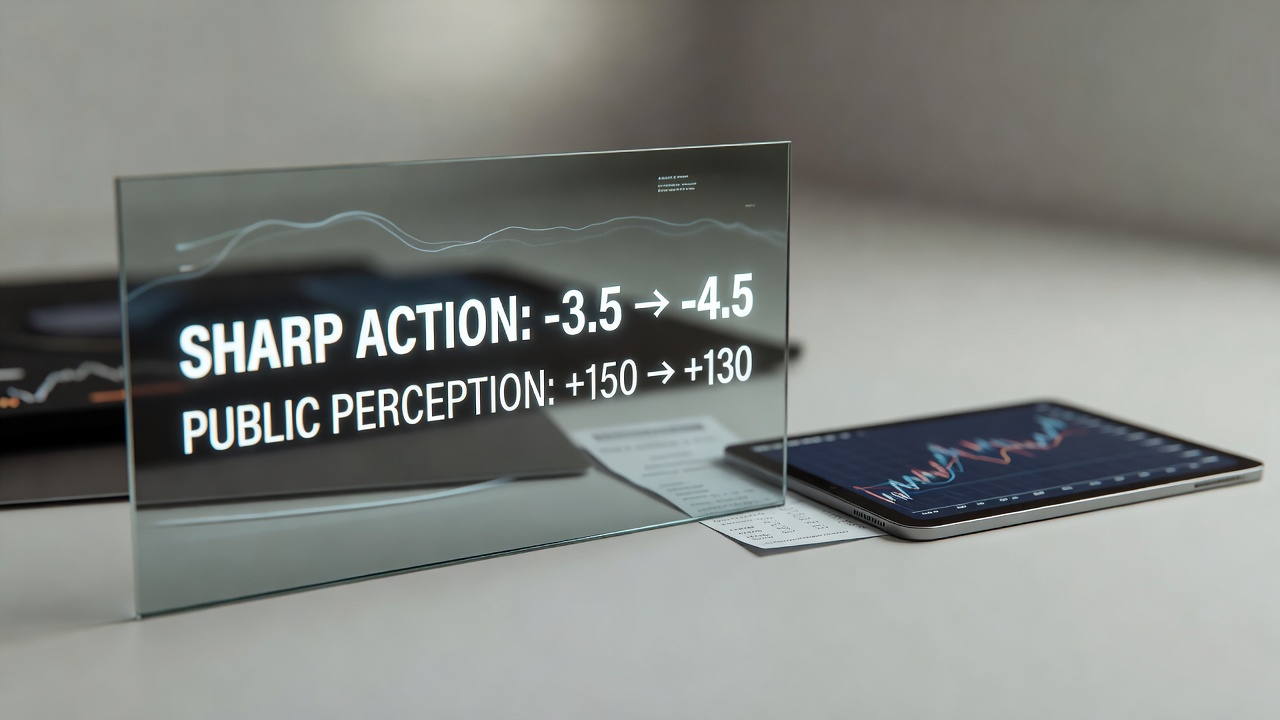
Team props operate at a different scale. If a team has averaged twenty two points per quarter and averaged twenty three, setting the over/under at exactly their average is neutral pricing (before the book's vig, the built-in profit margin). The book moves the line based on betting volume and sharp money. Vegas locals and professional syndicates move lines. Casual bettors push them in predictable directions: toward favorites, toward overs on big games, toward novelty bets that feel clever.
"Props are where casual bettors leak money. The math is granular and the line-setting is tight. Most people bet props based on narrative, not probability."
Different sports have different prop libraries. Football offers hundreds of props per game. Baseball offers hundreds more. Basketball props are easier to calculate because scoring is more uniform. Hockey props are sparse because the variance is too high. A goalie injury changes everything. One bounce changes everything. The book doesn't want to set props where a single random event swings a fifty percent prediction to seventy percent.
House edge on props varies. Standard moneyline bets vig is around four to six percent. Prop vigs run higher, often seven to nine percent or more. The reason is obvious: the book is pricing risk on a granular level. A player injury at game time voids the bet, but the book can't reprrice instantly. They overcharge to compensate.
Practical Prop Strategy
If you're serious about props, you need data. You need injury reports. You need to understand pace of play. A player props changes completely if the team faces a historically fast or slow offense. You need weather data for baseball (wind carries the ball farther, increasing home run rates). You need bench depth information because workload matters.
The novelty props are mathematically exploitable in one direction only: reject them. The coin flip over/under two point five is a fifty fifty bet at minus one ten odds. That's a negative expectation. The national anthem length varies around one minute fifty five seconds with a standard deviation under twenty seconds. Setting the line at exactly two minutes is pricing in uncertainty the book doesn't really have. These are traps for casual action.
Seasoned bettors hunt value specifically in the player prop market. A backup quarterback starting due to injury creates mispricing. A running back returning from suspension hasn't been priced in yet. A rookie receiver getting first team reps this week might be substantially underpriced. The sharpest money will move that line, but retail action lags. That's the window. That's where skill beats luck.