The Orientations Exist for Reasons
Portrait mode is how most people hold their phones. You are texting your ex at 11 PM. You are checking your bank balance. You are scrolling through social media. Your thumbs are positioned below the screen. Portrait feels natural. Phone manufacturers design for portrait. Apps launch in portrait by default.
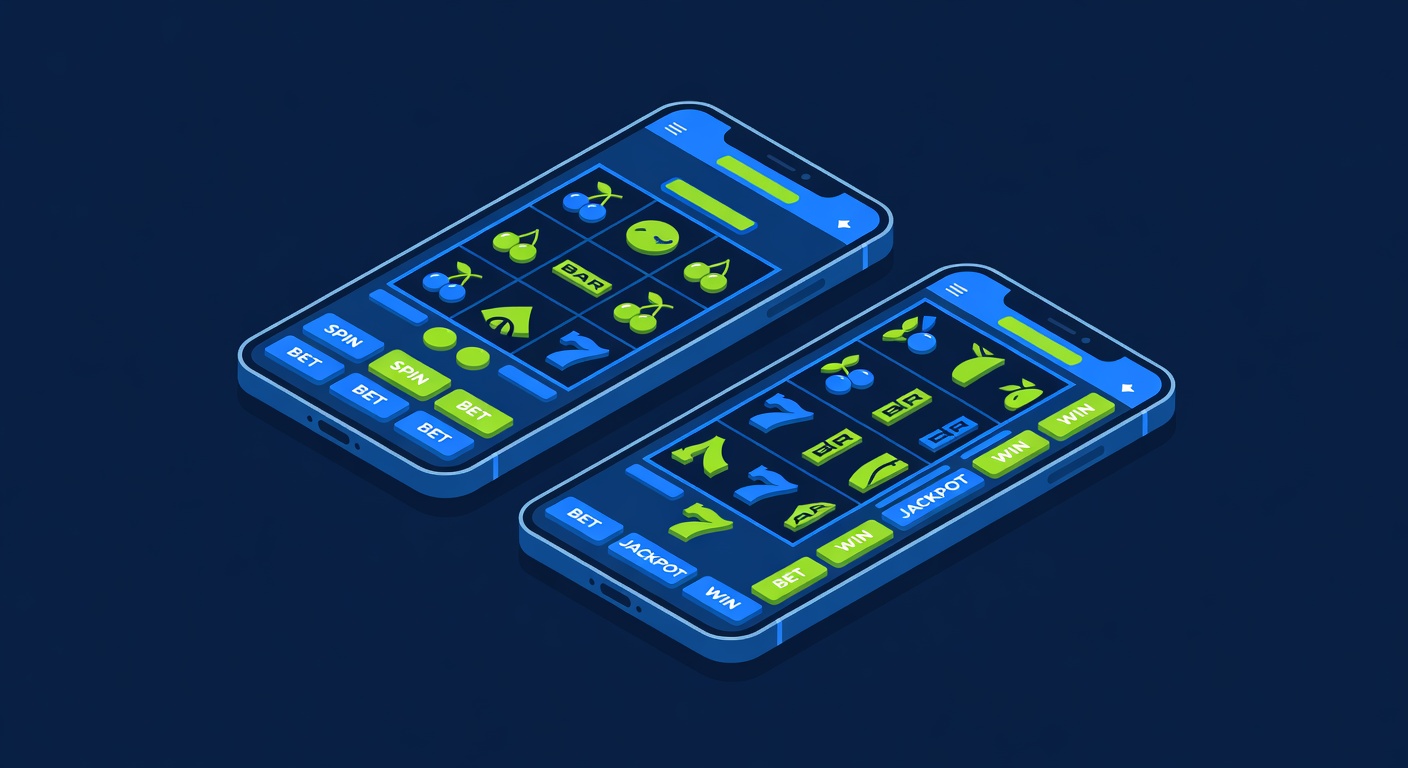
Landscape mode turns the phone sideways. The screen becomes wider and shorter. It feels less natural at first. Your thumbs have to stretch further. But something changes on screen. Everything becomes bigger. A slot machine in portrait mode is cramped. The reel symbols stack vertically. The paylines are hard to see. The buttons cluster at the bottom. In landscape mode, the reel symbols spread horizontally. You see more of the game at once.
Why It Matters to Game Design
Slot machine developers know this. They code the game to work in both orientations. But one orientation is primary. The developer designs the game with a specific aspect ratio in mind. Then they stretch and adapt for other orientations. The primary version plays better. The adapted version feels like a compromise.
Most mobile slot games are designed for landscape orientation. This is because actual slot machines are wider than they are tall. When you go to a casino and see a machine, it is wider than it is tall. The screen shows symbols spread across your visual field. Porting that to a phone means landscape.
But many casual players refuse to rotate their phones. They want portrait. So developers built portrait support. The symbols scale down. The paylines condense. The game works, but it does not feel optimal. It feels like it was made for a bigger screen.
The Difference in Session Feel
Landscape mode is faster. The game shows more information at once. Your eyes do not have to search. You can see all paylines, all potential wins, all the action. The reel spin animation plays across the width of the screen. You feel the momentum.
Portrait mode is slower. The reel animation is squeezed. The paylines are numbered instead of visually distinct. You have to tap and scroll to see your total winnings. The game feels more constrictive. It is the same game underneath. But it does not feel the same.
What Players Actually Do
Casual players stay in portrait. They are already holding their phone that way. They do not want to move. Dedicated slot players rotate to landscape. They know the game will look better. They will see more. They will feel less cramped.
This is why some players think they play better on landscape. And maybe they do, slightly. A game that feels less cramped is less stressful. A game that is less stressful does not panic you into bad decisions. But the RNG does not care how you are holding your phone. The payouts are the same. The house edge is the same. The win and loss sequences are predetermined in the machine's code.
Still, orientation affects mood. And mood affects behavior. A frustrated player might chase losses. A comfortable player might set limits and walk away. The orientation is not determining the outcome, but it might be determining whether you play 10 spins or 50.
The Design Reality
Modern slot developers optimize for landscape because it is the dominant way people play on tablets and desktop-sized phones. Portrait support exists as a secondary feature. It works. It is responsive. But it is not the designer's vision.
If you want to give a mobile slot game a fair trial, rotate your phone. See it as the developer intended. You might find the experience shifts slightly. The game becomes less of a distraction and more of a presence. Does that make you gamble more? Probably. Does that make it worth doing? That depends on what you are trying to achieve.