The fake casino app does not look fake. That is why it works.
It has the logo. It has the five-star reviews. It has a landing page that shows slot machines spinning. The app store listing says "Editor's Choice." The install count says 100,000 plus. It asks you for a deposit and you send one, and then either the deposit disappears, or your phone starts acting strange three weeks later and your bank calls about a transfer you did not authorize.
Before you download anything, read these claims and their translations.
Claim: It is on the Google Play Store, so it has been vetted
The claim is reasonable. Google Play does run automated scans and manual review on submitted apps. The Play Protect service does flag malware after the fact. Most apps on the store are fine.
The reality is that the Play Store's defenses are tuned against generic malware, not against a casino app that looks and behaves exactly like a casino app should. If the app loads a WebView to a gambling site, Google sees a normal WebView. If it asks for location permissions to confirm you are in a licensed jurisdiction, Google sees a normal permission request. The malicious behavior, when there is any, sits on the server side, and the server only flips the switch on a small percentage of users to stay under detection thresholds.
The misconception persists because the app store branding implies curation. In practice, the store is closer to a self-service marketplace with a thin layer of automated review on top. A fake casino app with a plausible listing can live on the Play Store for weeks before it gets pulled, and by then the developer has made another one.
Claim: If I download the real brand's official app, I am safe
The claim sounds airtight. Go to the actual DraftKings, the actual BetMGM, the actual Stake website, find their official app link, and download from there. The brand has no incentive to defraud you. The operator is licensed.
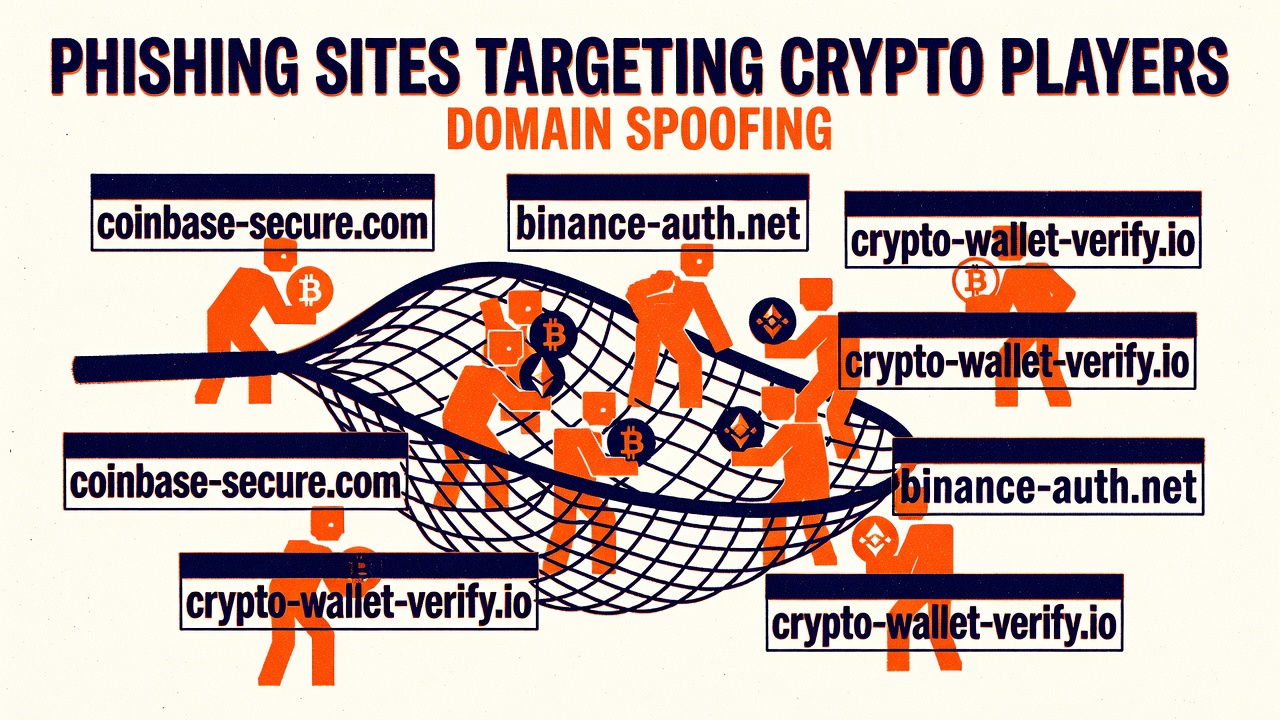
The reality is that the attack surface is not the real brand. It is the search result that is not the real brand. Somebody types "bet mgm app" into Google. The first search result is a sponsored ad for "BetMGM Official App Download." The URL looks plausible. It takes them to a page that has the BetMGM colors and fonts. The download link on that page is not the real app. It is a reskinned fake that sits one Google search removed from the real thing. The operator's lawyers are sending takedown notices as fast as they can. The takedown cycle runs slower than the scam cycle.
The misconception persists because people underestimate how cheaply a convincing lookalike can be produced in 2025. Domain registration, a scraped design system, and a signed Android package will run you under a thousand dollars in setup costs. The unit economics of the scam are better than the unit economics of the advertising the real operator is buying.
Claim: I can tell a fake by the typos
The claim comes from an older generation of scams. Nigerian-prince style emails with broken grammar. Banking phish pages with "Verrify Your Accont." These were fakes that announced themselves.
The reality is that the typo-heavy fake is the 2010 version. The 2025 version has a copywriter. The UX flows are tested. The terms and conditions page is a ripped copy of a real operator's T&Cs, sometimes with the operator's name left in from the copy-paste, sometimes with it scrubbed. The chat support widget is a real chat widget connected to a real human in a call center somewhere, who will help you with your "deposit issue" and transfer you to a supervisor when you get suspicious. These are not amateurs. They are a small business that has chosen fraud as their product line, and they have hired accordingly.
The misconception persists because the words "scam" and "amateur" got linked in the public imagination a long time ago and never got unlinked.
Claim: Antivirus will catch it
The claim is optimistic. Mobile antivirus software does detect known malware signatures. If a fake app has been reported, unpacked, and added to detection databases, yes, your antivirus will flag it.
The reality is timing. A freshly published fake casino app, up for seven days, may not yet have appeared in any malware database. The binary is novel. The server-side behavior is novel. The user reviews on the app store have not yet turned hostile because the scam is still in the data-harvesting phase and has not yet moved to the account-drainage phase. Antivirus is a lagging indicator, not a leading one.
The misconception persists because the marketing of consumer antivirus has spent thirty years selling the idea that it is a shield. It is not a shield. It is a scanner that works on yesterday's threats.
Claim: I will know if something sketchy happens because my phone will act up
The claim assumes malware is disruptive. That users will notice slowdowns, pop-ups, weird behavior.
The reality is that good modern malware is boring. It reads your SMS messages for 2FA codes. It screen-captures your banking app when it detects it in the foreground. It adds a VPN certificate to your device so traffic can be intercepted. You will not notice any of this. The phone will feel exactly the same. You will find out six weeks later when your bank calls to ask about a wire transfer to Cyprus.
The misconception persists because popular depictions of malware still involve pop-ups and "Your computer has a virus" warnings, which was the style of malware that was trying to scare you into paying money directly. The 2025 style of malware wants you to not notice. It wants your phone to feel clean.
What actually works
A short list of practices that catch most of this.
- Download casino apps only from a link on the operator's own domain, typed directly, not from a search result.
- Check the developer name on the app store against the operator's corporate entity. A fake will sometimes get the name slightly wrong.
- If an operator says their app is not available in your country, believe them. Do not install the "alternative download" you found on a forum.
- Pay attention to permissions at install. A casino app does not need access to your SMS inbox. It does not need accessibility services. Both are red flags.
The general rule is that convenience is the attacker's best friend. Every step you take that trades a small friction for a smaller convenience is a step the attacker has paid a designer to shave off.