The Setup
The Bellagio is one of Las Vegas's most famous properties. It is architecturally significant. Designed by Jon Jerde. It exemplifies the modern luxury casino model. The property opened in 1998. By 2010, it was well-established. Its security systems were well-tested. Its staff was experienced.
On the evening of June 10, 2010, a person robbed the casino's high-limit room. The high-limit room is where wealthy players play. Stakes are higher. Chips accumulate. Hundreds of thousands of dollars in chips sit on tables.
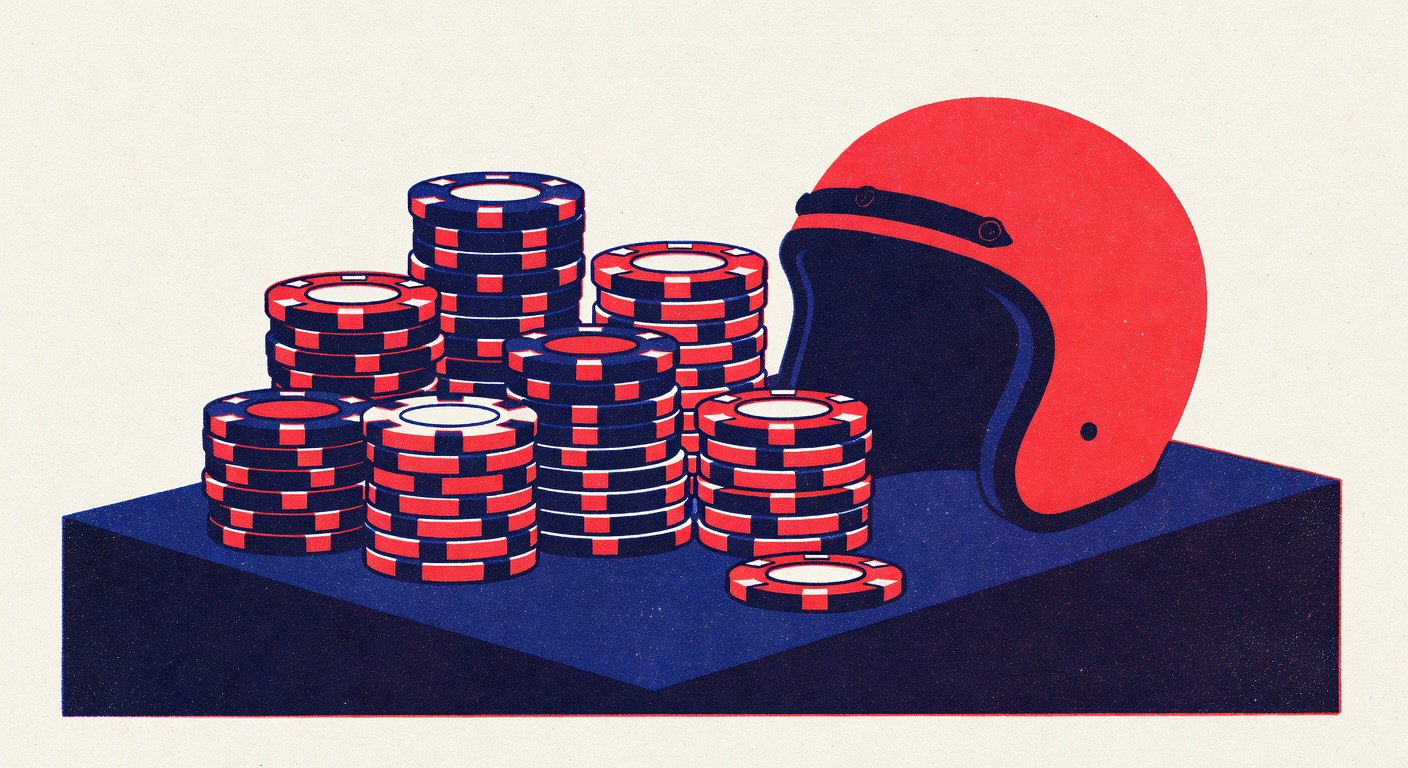
The robber was Anthony Carleo, 21 years old, riding a motorcycle. He walked into the casino's high-limit room. He was confronted by casino staff. He displayed a gun. He stuffed chips and cash into a bag. He walked out. He rode away on the motorcycle.
The robbery took approximately 15 minutes.
The Security Implications
From an architectural perspective, the security failure is interesting. A casino's design should prevent someone from walking into the high-limit room carrying a gun. But Carleo did exactly that.
The high-limit room is prestigious. Players expect privacy and access. This tension (privacy vs security) is hard to resolve. The casino wanted to appear upscale, not like a fortress. Security theater (visible guards, cameras) is expensive and makes players uncomfortable.
The result was a room that was accessible enough to be penetrated.
The Police Investigation
Carleo was arrested within weeks. He had bragged about the robbery to friends. He had used some of the chips. Police traced the chips and arrested him. The investigation was straightforward once they knew what they were looking for.
Carleo was tried and convicted. He served time in Nevada. He was released and eventually deported (he had immigration issues). The crime was prosecuted and resolved like any other robbery.
Architectural Response
Casinos did not fundamentally change their design after the Bellagio heist. The event was seen as an isolated incident (one young man with a gun, caught quickly) rather than a systemic failure. High-limit rooms remain accessible to legitimate players.
But subtle changes occurred. More visible security. Better coordination between security and surveillance. Tighter protocols for handling large amounts of chips outside the cage.
The deeper issue remains: a casino cannot be both open and secure. The openness is part of the appeal. You walk in, you gamble, you experience luxury. If the casino becomes a fortress, the experience suffers.
The Design Trade-off
Casino design is fundamentally about creating experience while maintaining security. You want people to feel welcome and relaxed. You also want to prevent theft.
Carpet patterns are designed to guide people toward gaming floors. Ceiling heights vary to create intimacy or grandeur depending on the space. Lighting is controlled to create mood. All of these design choices create an environment. That environment must also be secure.
The Bellagio's design was excellent at creating a luxury experience. It was less excellent at preventing someone with a gun from walking into a high-stakes room. The contradiction is inherent.
Conclusion
The Carleo robbery was a small hole in a large net. It did not indicate a fundamental security failure. A security system that catches crimes weeks after they occur is still functional. The casino recovered the money. The criminal was prosecuted.
But the heist revealed that even well-designed casinos have seams. Those seams are tolerable because the alternative (excessive visible security) is worse. Casinos accept small occasional losses in exchange for creating an environment where players feel comfortable and welcome.