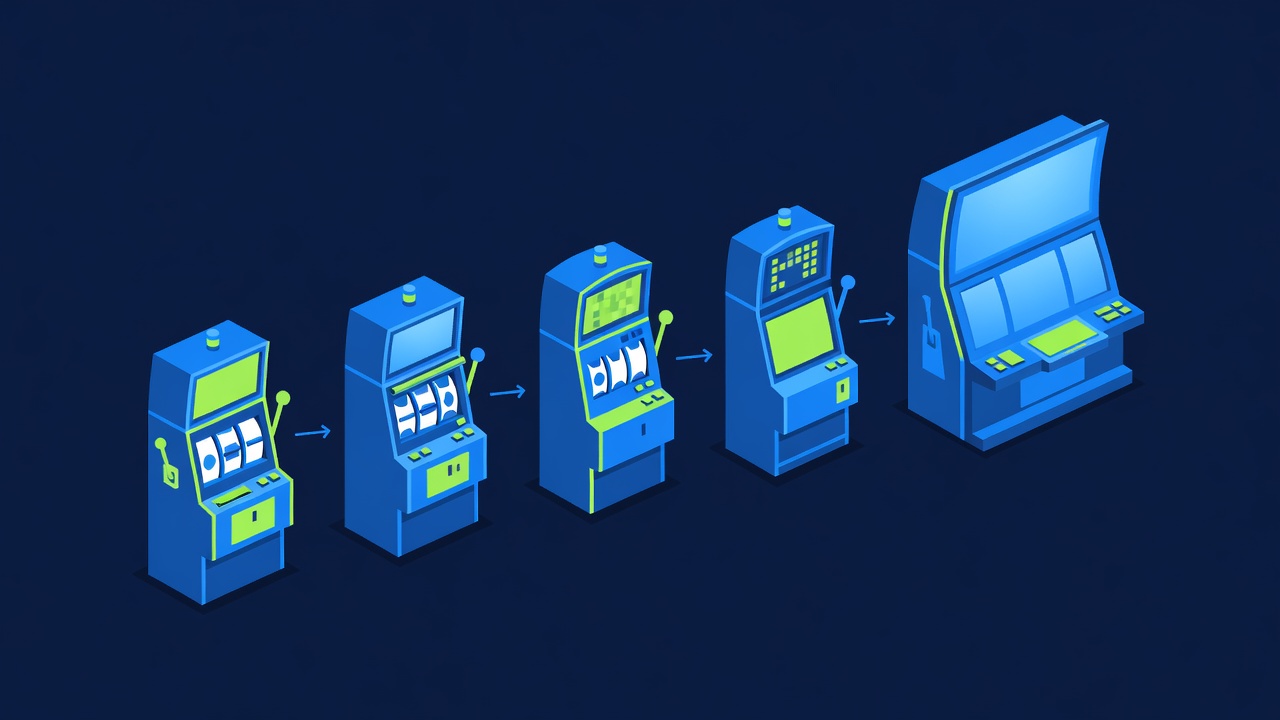
A slot manufacturer (IGT, Aristocrat, or similar) identifies a brand that might work as a themed slot. This could be a movie, TV show, celebrity, or brand. They contact the rights holder and propose a licensing deal. The brand owner has the right to approve or reject the game design, payout percentage, and marketing approach.
The negotiation involves several elements. First: royalty percentage. The rights holder receives a percentage of the slot's revenue (typically three to five percent of total wagers). Second: approval authority. The brand owner gets to review the game and approve the creative direction. Third: exclusivity. Is this the only slot featuring this brand, or can competitors license it?
Once a deal is reached, the manufacturer designs the game. The designer creates the visual theme, the sound design, the mechanical game flow, and the paytable (what symbols pay what amounts). The brand owner approves the design. If they reject it, the manufacturer goes back to design.
The paytable must meet regulatory requirements. Different jurisdictions require different RTP percentages (90% in Nevada, 96% in some Atlantic City jurisdictions, 94.98% in Malta). The manufacturer designs the paytable to hit the exact RTP required. Too high and the casino loses money. Too low and the slot doesn't pass certification.
Once the design is approved, the manufacturer submits the game to the jurisdictional testing authority. In Nevada, that's the Nevada Gaming Commission. The game must be tested for fairness, payout accuracy, and compliance with rules. This process takes weeks to months. The authority runs thousands of simulated spins to verify the RTP matches the paytable.
The Testing and Certification Process
The certification process is rigorous. An auditor will run one million or more simulated spins to verify the paytable math. They verify that the RNG is functioning correctly. They verify that the bonus features pay at the stated rate.
If the test fails, the manufacturer must fix the issue and resubmit. This can add months to the timeline.
Once certified, the manufacturer produces physical units (if it's a land-based game) or releases the software (if it's online). The casino purchases the game (or licenses it), installs it, and makes it available to players.
"Licensed slots take six months to two years from deal to casino floor. The complexity is significant. The timeline is long."
For the brand owner, the slot represents a revenue stream with limited downside. They get paid royalties. The manufacturer handles all development, testing, and distribution. If the slot fails to generate revenue, the brand owner still received the upfront licensing fee.
For the manufacturer, licensed games are often less profitable than proprietary games (games they own outright). But licensed games attract players because of brand recognition. A player unfamiliar with a new manufacturer might try their slot if it features a familiar brand.
Regulatory approval varies by jurisdiction. Some regions require more rigorous testing than others. A game approved in Nevada might require additional modifications to meet Malta's standards. An online manufacturer must re-certify for each jurisdiction they operate in.
The path from brand deal to player has become standardized across the industry. But the timeline is frustratingly long. A concept proposed in January might not reach casinos until December. This timing mismatch means brands are often dated by the time the slot releases. A TV show that was popular when the deal was made might be off the air by launch.