How IP Geolocation Works
Your computer or phone has an IP address. The IP address is registered to an internet service provider (ISP). The ISP assigns the IP address to a region (city, state, country).
When you visit a website, the website can see your IP address. They can query a geolocation database. The database returns: this IP is in Las Vegas, Nevada, USA.
This is not perfect. VPNs and proxies obscure your real IP. ISPs sometimes register IPs to the wrong location. But the general accuracy is high. For most people, geolocation pinpoints their country and often their state.
Why Casinos Use It
Gambling is regulated at the national or state level. A casino licensed in New Jersey can only serve New Jersey residents (and some federal enclaves). A casino operating in Nevada can serve anywhere, subject to US law.
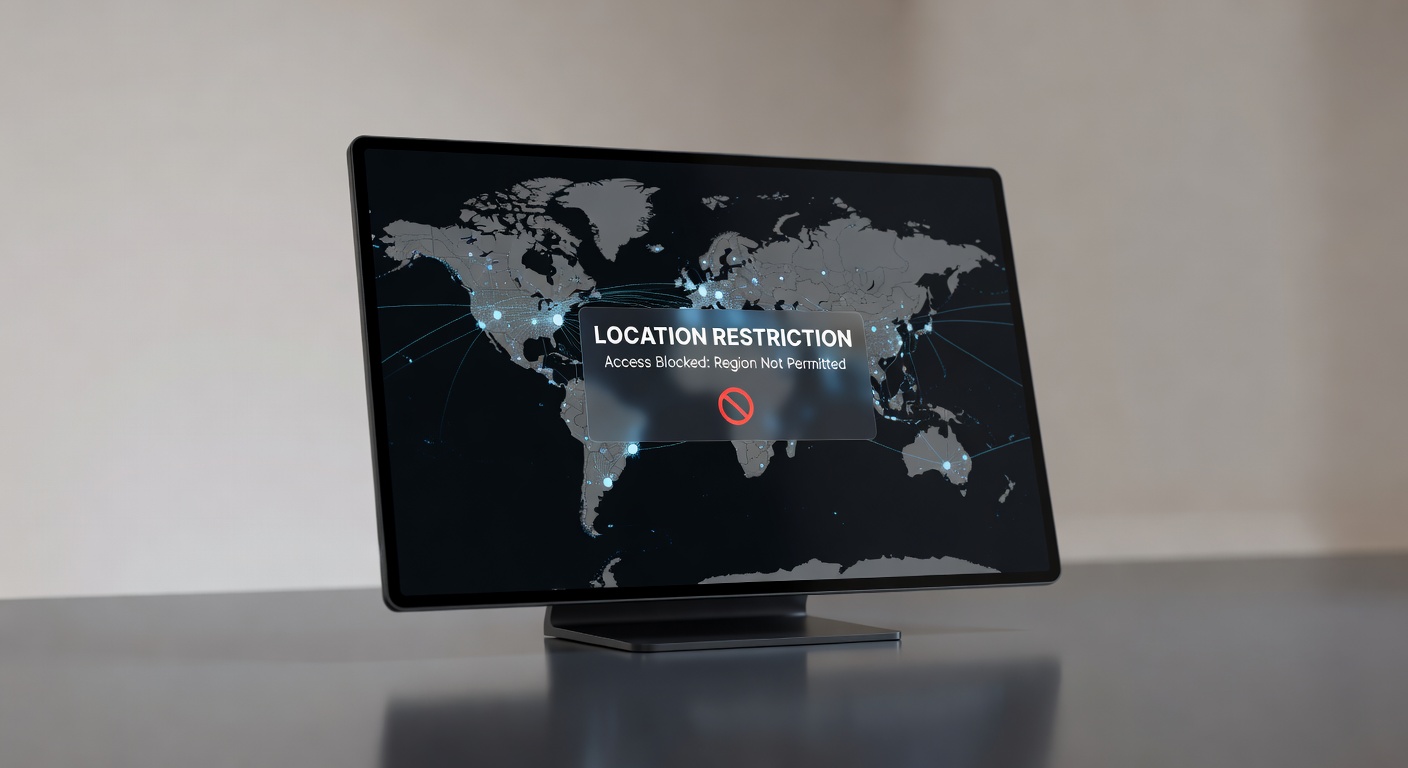
If a casino is licensed only in New Jersey, serving a player in New York is illegal. The casino is violating the license. To prevent this, the casino uses IP geolocation. They block connections from IP addresses registered outside New Jersey.
The Technology
Casinos use geolocation providers like MaxMind, IP2Location, or GeoIP2. These services maintain databases of IP addresses and their locations.
When you log in to a casino, the casino queries the geolocation service with your IP. The service returns your location. The casino compares it to their licensed jurisdiction. If you are outside the jurisdiction, the casino blocks access.
Limitations
IP geolocation is not foolproof. Using a VPN changes your apparent IP. If you connect to a VPN server in Nevada, the casino sees a Nevada IP. They think you are in Nevada. You are not.
Casinos know this. They block known VPN services. But new VPN services emerge constantly. Some get through. Some do not.
Casinos also have secondary verification. They check your billing address when you sign up. They cross-reference it with your IP location. If your billing address is in New York but your IP is in Nevada, something is wrong.
Stricter Enforcement
Over time, casinos have gotten stricter. Some require your device location (from GPS) to match your registered address. Some require this check for every login.
Strictest casinos might require geolocation at the moment of gambling. You must physically be in the jurisdiction to place a bet.
These measures are expensive (they require API calls to geolocation services for every bet). Only regulated casinos with compliance budgets implement them. Unlicensed offshore casinos do not bother.
Legal Reality
IP geolocation is used by American casinos to comply with state licensing. Casinos in other jurisdictions (UK, Europe) use it less stringently because their regulations are different.
The UKGC licenses casinos that can serve players worldwide (with some restrictions). European regulators similarly allow cross-border gambling.
US casinos face the strictest restrictions. This drives more stringent geolocation usage.
Circumventing It
Players sometimes circumvent geolocation using VPNs. This is technically possible but legally risky. If a casino discovers you are outside their jurisdiction, they can refuse to pay you. They can claim you violated their terms.
The terms state that you will only access the casino from within the licensed jurisdiction. If you use a VPN, you are technically violating this.
Betting from a blocked jurisdiction might be illegal in your own jurisdiction too. Some countries prohibit citizens from gambling online with unlicensed casinos.
Conclusion
IP geolocation is the primary tool casinos use to enforce geographic restrictions. It is not perfect, but it is effective against casual circumvention. Using a VPN to bypass it is possible but risky. If the casino discovers it, they might confiscate your winnings.