A casino offers you a fifty percent deposit bonus. You deposit two hundred dollars. They credit one hundred more. Now you have three hundred. But you must wager three thousand (ten times the bonus) before you can withdraw. That's the wagering requirement. It's a trap designed to get you to play longer and lose more.
Bankroll management during a wagering requirement is mechanical. You have three hundred dollars. You need to generate three thousand dollars in wagers using only this three hundred. If you bet one dollar per hand, you need three thousand hands. If you bet ten dollars per hand, you need three hundred hands. The math is simple.
The trick is variance. If you bet aggressively to complete the wagering quickly, variance will likely destroy you. If you bet conservatively, you might complete the requirement without total loss. The strategy is: bet enough to complete the requirement before you run out of money.
Let's calculate. You have three hundred dollars. You need three thousand in wagers. Standard casino games have a house edge around two to three percent. So expect to lose approximately sixty to ninety dollars completing the requirement. You'll finish with roughly two hundred to two hundred forty dollars. This assumes the requirement is the only constraint.
The Practical Strategy
First, identify which games contribute to the wagering requirement. Some casinos restrict certain games (slots count at one hundred percent, table games at fifty percent). Choose games that maximize progress per dollar wagered and minimize expected loss. Slots give equal credit regardless of variance, so choose low-volatility slots if available.
Second, calculate your bet size. Divide your bankroll by (requirement divided by minimum bet). If your requirement is three thousand and minimum bet is one dollar, you have three thousand hands. If you have three hundred, you can afford one-tenth of a cent per hand, which is impossible. You need to bet the minimum and hope variance favors you.
"Wagering requirements are designed for you to lose. The casino calculated that most players will burn through the money before completing the requirement. The math guarantees this across the player population."
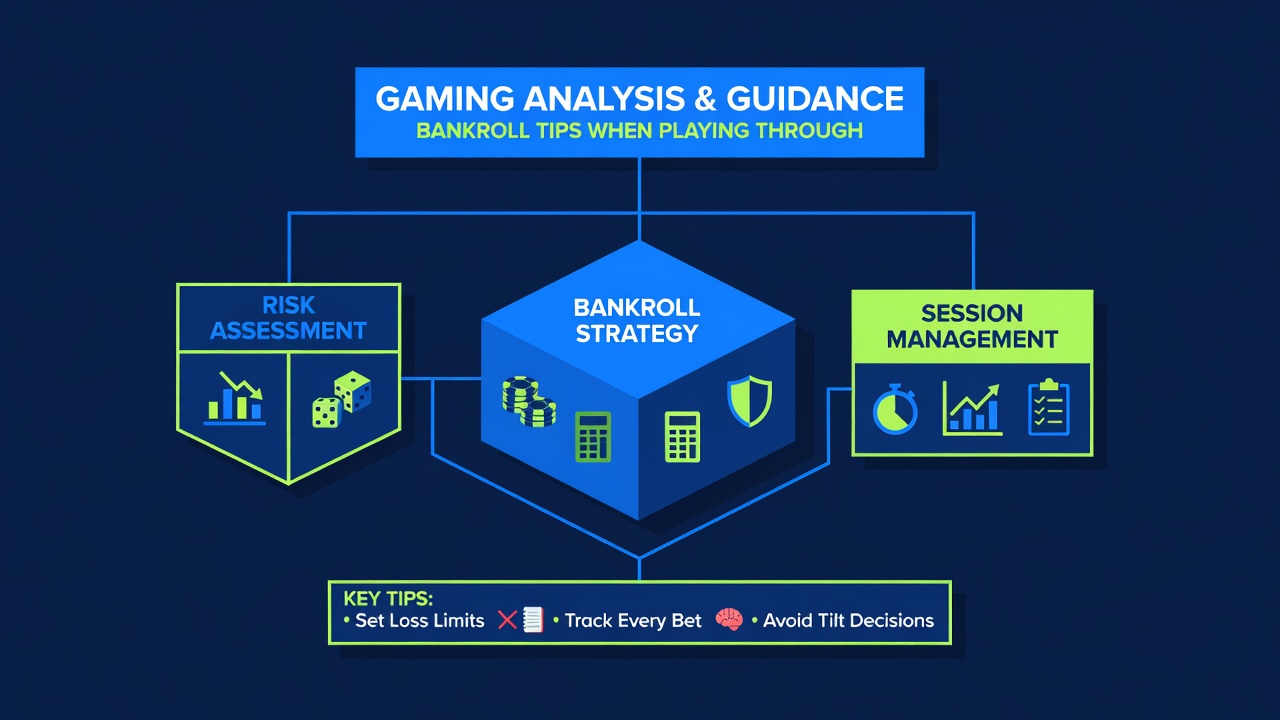
Third, manage variance intelligently. In poker, we talk about bankroll survival. You need enough to outlast downswings. A normal downswing in blackjack might be ten to fifteen hands of consecutive losses. Variance is real. A three-hundred-dollar bankroll for a three-thousand-dollar requirement is extremely tight. One bad streak and you're done.
Optional: target positive-expectation games if available. Some casinos offer blackjack basic strategy players roughly even odds (house edge under zero point five percent). Others offer video poker games where optimal play approaches parity or better. These are rare but exist. If the wagering requirement restricts you to slots or roulette, you're in negative-expectation territory and the math is just survival.
The psychology matters. You're playing to complete a requirement, not to win money. The goal is survival, not profit. This changes decision-making. You don't take the "correct" gamble if the expected value is slightly positive. You take the safe bet that lets you complete the requirement. When the goal is survival rather than growth, conservative decisions become correct.
Finally, acknowledge the real outcome: casinos offer bonuses because they expect to profit from them. The wagering requirement isn't arbitrary. The casino calculated the requirement so that the average player loses money during it. The bonus isn't free money. It's a marketing expense that generates more total player loss than if the bonus hadn't been offered.